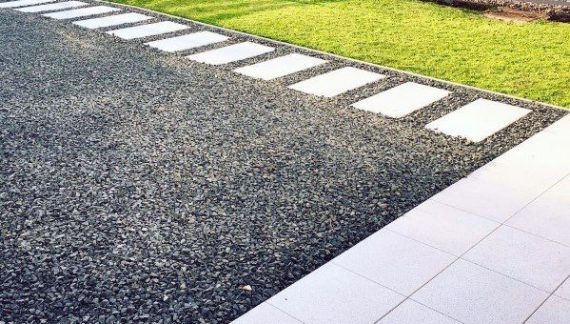
Installing a patio is one of the most rewarding home improvements a Dublin property owner can undertake. However, Ireland's weather presents a very specific set of challenges: up to 150 days of rainfall annually, freeze-thaw cycles in winter, and damp humidity that fosters rapid moss and algae growth.
Choosing the wrong paving material or cutting corners on the foundation can result in cracked flags, slippery walking surfaces, and sunken spots within just two years. Below, our master patio layers evaluate the top three paving materials installed across Dublin.
1. Outdoor Porcelain Paving (The Low-Maintenance Modern Standard)
In recent years, 20mm vitrified outdoor porcelain has become the most requested patio material across Dublin suburbs like Ballsbridge, Clontarf, and Blackrock.
- Pros: Vitrified porcelain has a water absorption rate under 0.05%. This means water cannot penetrate the tile body, making it 100% frost-proof. It does not absorb green algae, red wine, or barbecue grease. Porcelain tiles come with an R11 anti-slip surface texture that offers dependable grip even in torrential rain.
- Cons: Slabs are perfectly square and modern, which may look out of place alongside rustic country cottages. Requires specialised diamond cutting discs and priming slurry on the back of each slab during installation.
2. Indian Sandstone (Authentic Warmth & Classic Charm)
Indian Sandstone remains an enduring favourite across Ireland due to its warm natural palette (Raj Green, Modak, Autumn Brown, Kandla Grey) and hand-dressed, riven texture.
- Pros: Every single hand-split flag is unique. It looks remarkably at home with Dublin redbrick houses and period properties. Sandstone is naturally non-slip when wet.
- Cons: Sandstone is naturally porous (2% to 4% water absorption). In shaded Irish gardens, it will absorb moisture and develop green algae if left unsealed. We always recommend applying a high-grade impregnating sealer 4–6 weeks after installation.
3. Silver & Gold Granite (Exceptional Longevity)
Irish or imported silver granite is an igneous rock formed under intense geological pressure. It is virtually indestructible.
- Pros: Superior density means granite is completely immune to Dublin frost cycles and will never flake or delaminate. Flamed or bush-hammered granite provides exceptional non-slip traction and a sophisticated, contemporary silver-grey finish.
- Cons: Very heavy to handle and difficult to cut, requiring experienced masonry tools. Light silver granite should be sealed to prevent autumn leaf tannin stains.
The Importance of Bedding & Jointing
Regardless of which stone you select, 80% of a patio's durability depends on the sub-base. At Newline Landscaping Dublin, we never use the shortcut "dot-and-dab" method (placing blobs of mortar under corners), which creates hollow voids where frost accumulates and cracks slabs. We lay every stone on a solid, full wet-mortar bed with a minimum 1:60 fall to ensure surface water drains instantly into garden gullies.
Want to Compare Stone Samples in Your Garden?
Newline Landscaping Dublin provides physical samples of Indian Sandstone, Silver Granite, and 20mm Porcelain during our free on-site survey.
Request Free Site Survey